FREE CATALOG





Flannel vs. Other Work Shirts: Why Mens Flannel Work Shirts Are the Superior Option
- Addtime: 2025-12-11 / View: 199
When it comes to workwear, choosing the right shirt is essential. Whether you’re on a construction site, in the field, or handling tough physical tasks, the clothes you wear should provide both comfort and durability. While there are many options available, mens flannel work shirts have become a go-to choice for many hardworking individuals. But how do they stack up against other popular work shirt options, such as denim, cotton, and performance fabrics?
Durability: Flannel vs. Denim Work Shirts
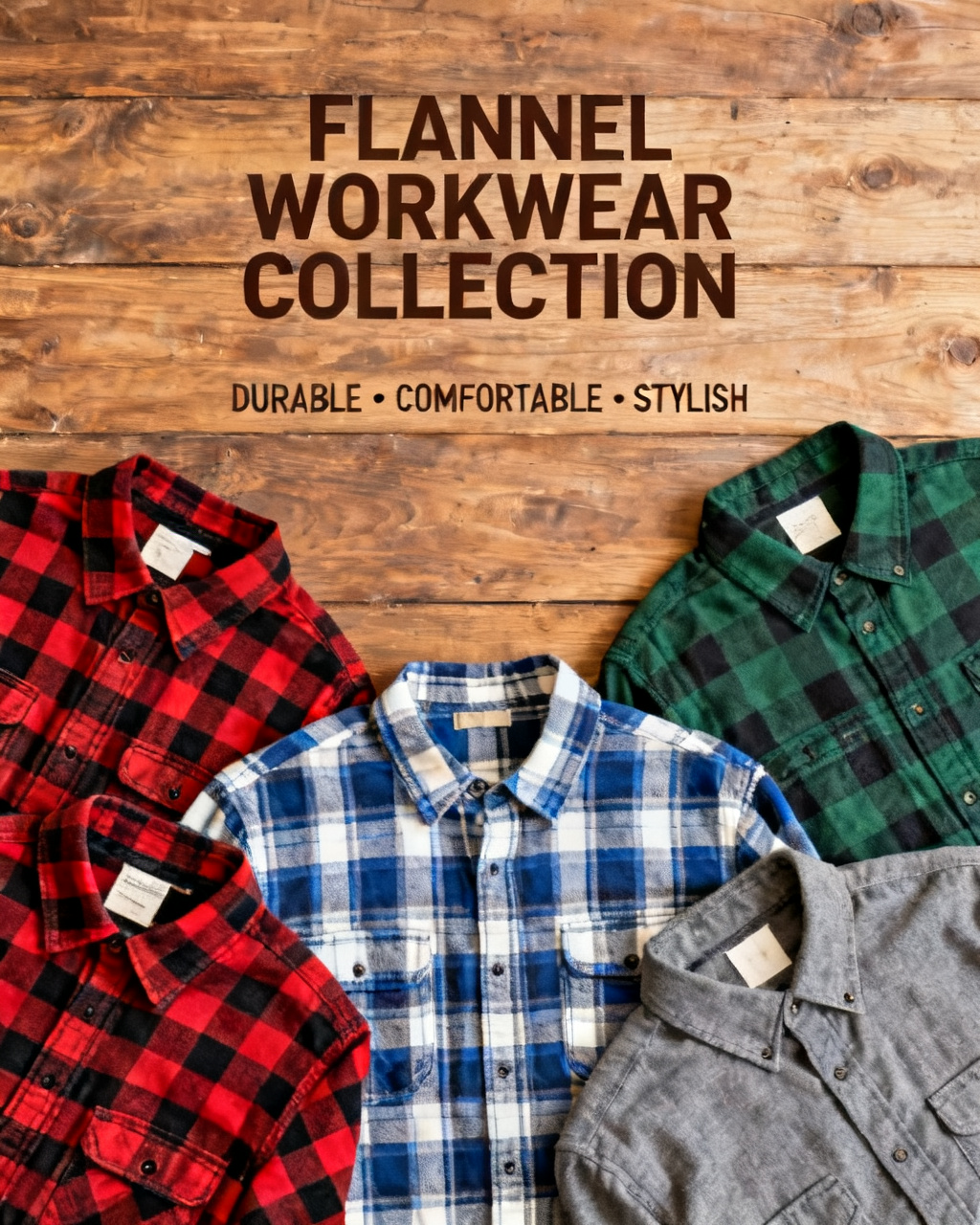
Denim shirts are often seen as a tough, durable option for workwear. After all, denim has a reputation for being rugged and long-lasting. However, when it comes to comfort and flexibility, flannel has the upper hand.
Flannel: A Soft, Durable Fabric
Mens flannel work shirts are typically made from cotton or a cotton blend. The soft, brushed texture of flannel makes it incredibly comfortable to wear, even during long hours on the job. The fabric’s durability comes from its tightly woven fibers and dense construction, which can withstand the wear and tear of daily use. Flannel shirts are less likely to lose their shape over time and tend to become more comfortable the more you wear them.
Denim: Stiff and Heavy
On the other hand, denim work shirts can be much heavier and stiffer, making them less comfortable for extended wear. While denim is durable, it can take some time to break in, and many people find it uncomfortable, especially in warmer climates. The thicker weight of denim can also make it feel cumbersome, which could slow down your movement during physical tasks.
Verdict: Flannel is the better choice for comfort, while denim may win in terms of pure ruggedness for heavy-duty applications. However, flannel balances durability with softness, making it more versatile for a wider range of work environments.
Warmth and Comfort: Flannel vs. Cotton Work Shirts
Cotton is a common fabric for work shirts, and it's often considered a comfortable, breathable choice. However, when it comes to warmth, flannel work shirts have a distinct advantage over plain cotton shirts.

Flannel: Warmth Without the Weight
Flannel shirts are known for their warmth, but they don’t carry the bulkiness that other warm fabrics might. The brushed fibers trap air close to the skin, acting as a natural insulator. This feature makes flannel work shirts an excellent choice for cooler weather, as they provide warmth without feeling overly heavy. Whether you're working outdoors in chilly conditions or indoors with fluctuating temperatures, flannel will keep you comfortable.
Cotton: Lightweight, But Less Warm
Cotton work shirts, while breathable and lightweight, can leave you feeling cold in colder temperatures. Cotton tends to absorb moisture, and when it gets wet, it can take longer to dry, which can result in discomfort. For those working in colder environments or during the winter months, mens flannel work shirts provide superior insulation and warmth.
Verdict: Flannel excels in providing warmth without the bulk, while cotton is better suited for hot weather but may not be enough for colder climates.
Moisture-Wicking and Breathability: Flannel vs. Performance Fabrics
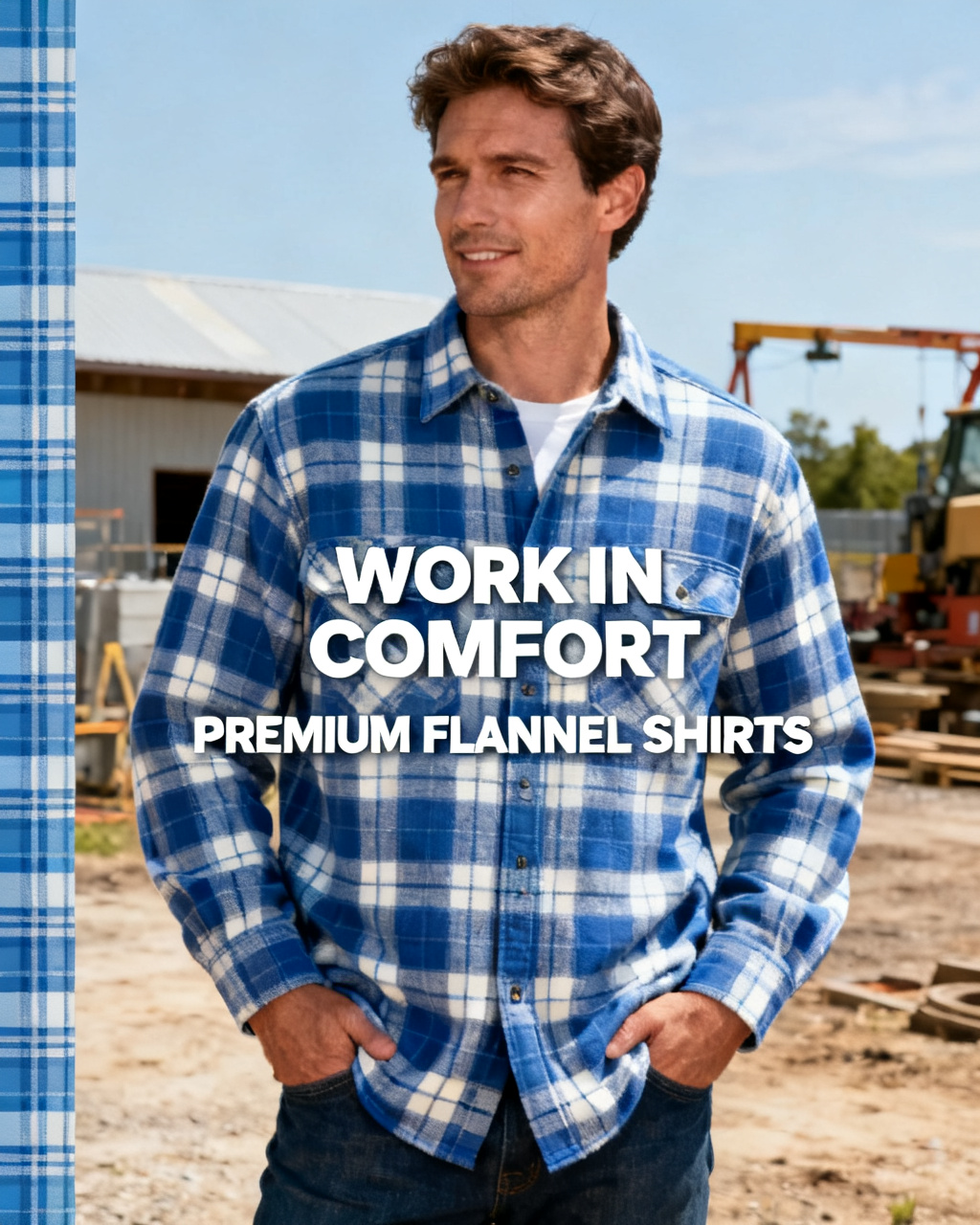
In today’s workwear market, performance fabrics like polyester blends and spandex are designed to wick moisture away from the skin and provide superior breathability. These materials are often marketed for their ability to keep you cool and dry during intense physical work.
Flannel: Moisture Absorption and Comfort
While mens flannel work shirts are not typically made from moisture-wicking synthetic fabrics, they excel at moisture absorption. Flannel is made from natural cotton, which can wick away moisture and keep you dry throughout the day. Cotton allows the skin to breathe and absorbs sweat efficiently, making it a suitable option for moderate physical labor.
However, flannel shirts are best for workers who require comfort and breathability without the extreme moisture-wicking capabilities of modern performance fabrics.
Performance Fabrics: Synthetic Comfort
Performance fabrics, like polyester, spandex, or moisture-wicking blends, are designed to pull moisture away from the body and dry quickly. These fabrics are lightweight, breathable, and ideal for high-intensity work in hot and humid conditions. However, they often lack the durability and texture that flannel offers. Performance fabrics can feel synthetic and less comfortable for all-day wear, and they may not have the long-lasting durability of cotton-based fabrics.
Verdict: Performance fabrics may outperform flannel in extreme moisture-wicking situations, but flannel provides a more comfortable and breathable option for everyday wear without feeling overly synthetic.
Versatility: Flannel vs. Polyester/Cotton Blends
A polyester-cotton blend is a common choice for work shirts due to its low cost, durability, and ease of care. These shirts are resistant to wrinkles, and they tend to hold their shape well even after multiple washes.

Flannel: Versatility in Various Conditions
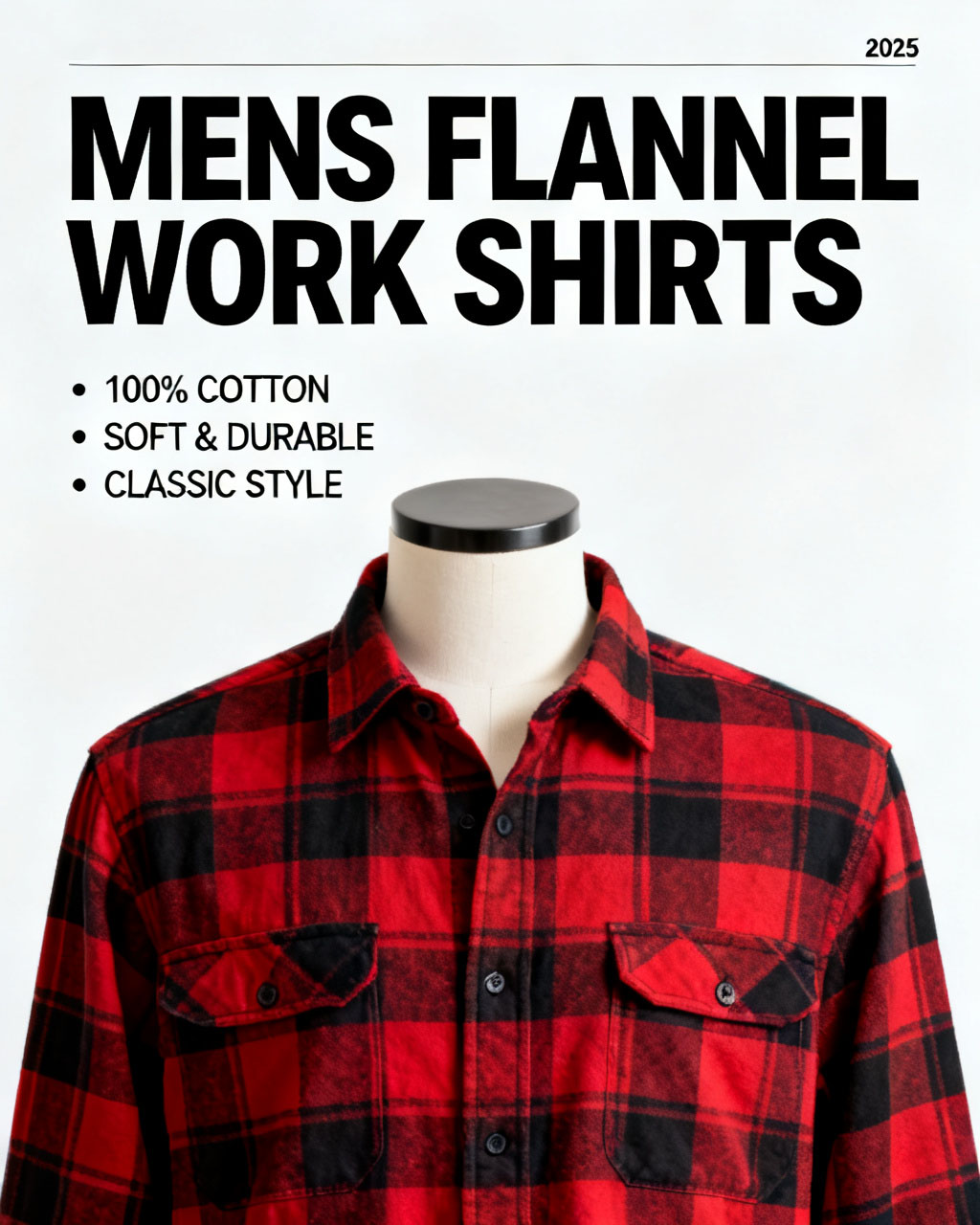
One of the greatest strengths of mens flannel work shirts is their versatility. The softness and comfort of flannel make it ideal for both work and leisure. In addition to being durable, flannel shirts can also be layered, allowing them to be worn in a wide range of environments and temperatures. Whether you're on the job site or heading out for a casual weekend outing, a flannel shirt can easily transition between both.
Polyester/Cotton Blends: Functional but Less Stylish
Polyester-cotton blends are primarily chosen for their durability and easy care. However, while these fabrics may be functional, they often lack the style and comfort that flannel provides. Blends can feel stiff and synthetic, and they don’t have the timeless appeal of flannel work shirts, which can be dressed up or down depending on the occasion.
Verdict: Flannel is the clear winner for versatility. While polyester-cotton blends are functional, flannel offers more style, comfort, and flexibility in a wider variety of settings.
Breathability and Temperature Control: Flannel vs. Heavy Duty Work Shirts
When working in tough conditions, especially in hot weather, some jobs may require specific heavy-duty work shirts, often made from canvas or denim. These shirts are designed for maximum durability but can be restrictive in hot environments.
Flannel: Natural Breathability and Comfort
Flannel shirts, while warm in colder weather, still provide enough breathability to be worn in mild weather conditions without overheating. Their soft, brushed texture helps regulate temperature by keeping you comfortable throughout the day, without causing too much sweating or discomfort. Flannel is a natural choice for working in fluctuating weather conditions and can be layered for colder environments.
Heavy Duty Work Shirts: Tough but Heavy
Heavy-duty work shirts like those made from canvas or thick denim are often excellent for jobs that require extreme durability, such as welding or construction. However, these shirts can be quite heavy, making them uncomfortable in hot temperatures. The thick fabric traps heat, which can result in sweating and discomfort during physically demanding work.
Verdict: Flannel offers a better balance of breathability and warmth, making it more comfortable for a wider range of conditions.
Care and Maintenance: Flannel vs. Other Fabrics
When it comes to work shirts, ease of care is an essential factor. Mens flannel work shirts require a little more attention than their synthetic counterparts, but they’re still relatively low-maintenance compared to other fabrics like denim or canvas.
Flannel: Easy to Care For with Proper Maintenance
Flannel shirts are relatively easy to care for. They can be machine-washed, though it’s a good idea to avoid high heat during washing and drying to prevent shrinkage. Flannel does need proper care to maintain its softness and texture, but with regular maintenance, it can remain durable for many years.
Denim and Canvas: Require More Care
Denim and canvas shirts require more attention when it comes to care. Denim, especially when untreated, can shrink significantly, and both denim and canvas fabrics can be prone to fading and wear. These materials may require specific washing techniques or extra attention to avoid damage, making them less convenient for everyday use.
Verdict: Flannel is easier to care for compared to heavy-duty materials like denim or canvas, making it a more convenient option for daily wear.
Why Mens Flannel Work Shirts Are the Superior Option
When it comes to choosing the right work shirt, mens flannel work shirts offer a unique combination of durability, comfort, warmth, and versatility. Unlike denim, cotton, or performance fabrics, flannel provides an ideal balance of all the qualities you need for long hours of work in various conditions.
Whether you need warmth during cold mornings, breathability for mild weather, or a fabric that stands up to heavy use, flannel shirts are the superior choice for the modern worker. Not only do they excel in both comfort and durability, but their timeless style and ease of care make them suitable for a wide range of environments and work tasks.
While other materials like denim or cotton may serve specific purposes, flannel outperforms them in terms of overall adaptability, providing the perfect work shirt for both function and style. If you're looking for a versatile, long-lasting, and comfortable work shirt, mens flannel work shirts are undoubtedly the best choice.