FREE CATALOG




Short Sleeve Flannel Shirt Buying Guide: Fit, Fabric, and Styling Tips That Actually Matter
- Addtime: 2026-02-06 / View: 97
The short sleeve flannel shirt has become an increasingly popular choice for modern menswear, bridging the gap between classic flannel heritage and warm-weather practicality. Traditionally associated with long sleeves and colder seasons, flannel has successfully evolved into a lighter, more versatile garment that fits today’s demand for comfort, breathability, and effortless style.
Whether you are a consumer searching for a dependable everyday shirt, a retailer evaluating new product lines, or a business sourcing apparel for uniforms or private-label branding, choosing the right short sleeve flannel shirt is not a decision to take lightly. Differences in fabric quality, construction methods, fit, and intended use can significantly impact not only comfort and appearance, but also durability, cost efficiency, and long-term satisfaction.
This buying guide is designed to help you understand what truly matters when selecting a short sleeve flannel shirt. Instead of focusing on trends alone, we will examine practical factors—fabric composition, fit, construction quality, and styling versatility—so you can make an informed purchase that delivers real value.
Understanding Fabric Quality in a Short Sleeve Flannel Shirt
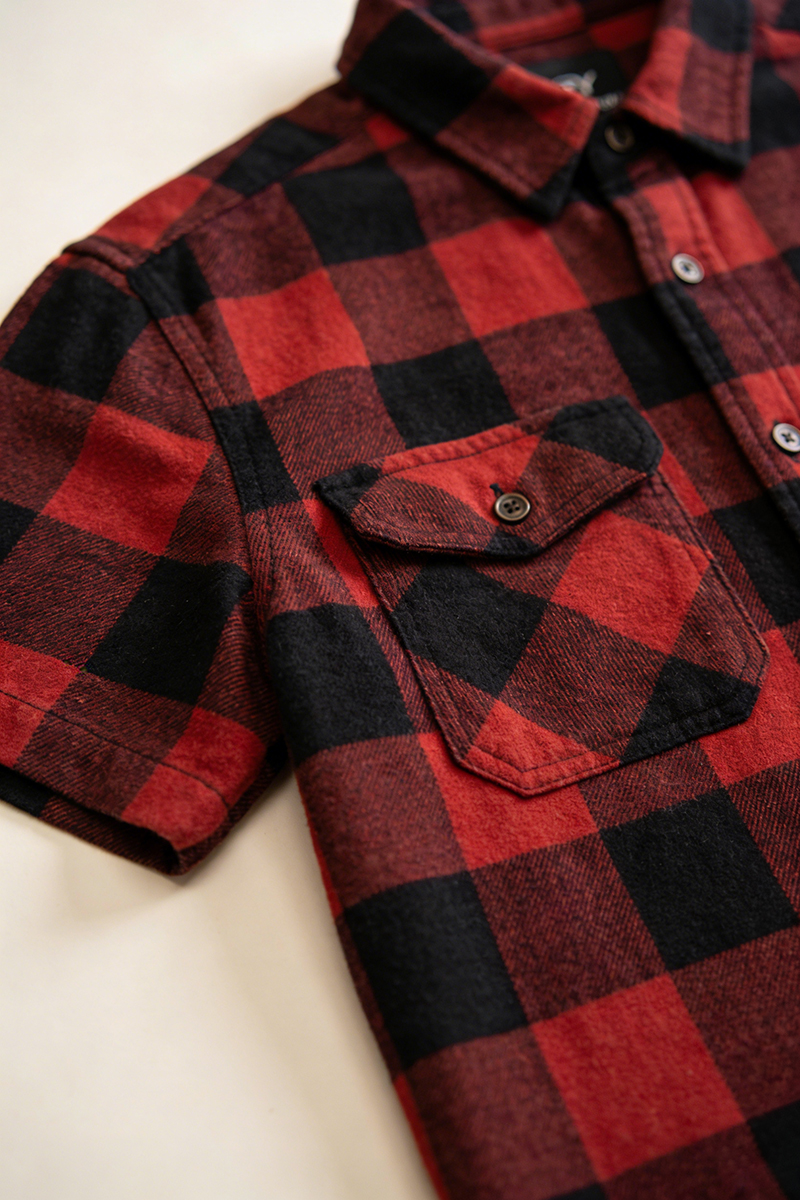
Fabric quality is the single most important factor influencing how a short sleeve flannel shirt feels, performs, and lasts over time. A visually appealing shirt can quickly become a disappointment if the fabric lacks breathability, softness, or structural integrity.
Cotton vs. Cotton-Blend Flannel Fabrics
Most short sleeve flannel shirts are made from either 100% cotton flannel or cotton-blend flannel, and each option serves a different purpose.
100% cotton flannel is widely appreciated for its natural softness, excellent breathability, and skin-friendly properties. It allows air to circulate freely, helping regulate body temperature during warm or transitional weather. This makes pure cotton flannel an excellent choice for casual wear, summer use, or environments where comfort is the top priority.
Cotton-blend flannel fabrics—often blended with polyester or spandex—offer enhanced durability and dimensional stability. These blends are more resistant to wrinkling, shrinking, and color fading after repeated washing. As a result, blended flannel is frequently chosen for workwear, uniforms, and bulk purchasing programs where garments must withstand frequent laundering and extended use.
From a conversion perspective, buyers should consider usage scenarios. Consumers seeking everyday comfort often prefer cotton, while businesses and wholesale buyers may prioritize blends for their lower maintenance requirements and longer lifecycle.
Fabric Weight and Breathability Considerations
Fabric weight plays a critical role in determining whether a short sleeve flannel shirt feels light and comfortable or heavy and restrictive. Unlike traditional long-sleeve flannel, short sleeve versions must be engineered with reduced fabric weight to maintain breathability.
Lightweight flannel fabrics are ideal for warm climates, indoor workspaces, and active lifestyles. They provide the iconic flannel texture without trapping excess heat. Midweight flannel fabrics, on the other hand, offer a slightly more structured appearance while remaining comfortable for all-day wear.
Breathability is especially important for buyers who plan to wear short sleeve flannel shirts for extended periods. Poor airflow can lead to discomfort, reduced productivity, and negative user experiences—factors that directly influence return rates and repeat purchases.
Choosing the Right Fit for Comfort and Performance
Even the highest-quality fabric will fall short if the fit is wrong. Fit affects not only how a short sleeve flannel shirt looks, but also how it performs throughout the day.

Regular Fit vs. Slim Fit Short Sleeve Flannel Shirts
A regular fit short sleeve flannel shirt offers a more relaxed silhouette that prioritizes comfort and freedom of movement. This fit is particularly suitable for workwear, outdoor activities, and casual daily use. It accommodates a wider range of body types and reduces the risk of tightness across the chest or shoulders.
Slim fit short sleeve flannel shirts are designed for a more modern, tailored appearance. They are often preferred in lifestyle, retail, or business-casual environments where aesthetics play a larger role. However, slim fits require more precise sizing, and buyers should be aware that overly tight shirts can restrict movement and reduce comfort, especially in warmer conditions.
For brands and wholesalers, offering both fits can significantly improve conversion rates by addressing different customer preferences.
Sleeve Length, Shoulder Width, and Mobility
Beyond general fit categories, specific measurements have a major impact on wearability. Sleeve length should strike a balance—long enough to provide coverage, but short enough to allow airflow and ease of movement. Poorly proportioned sleeves can make an otherwise quality shirt look awkward or uncomfortable.
Shoulder width is another critical detail. Properly aligned shoulder seams prevent fabric strain and maintain a clean silhouette. Shirts designed with mobility in mind often include slightly roomier armholes or reinforced seam construction, which enhances comfort during repetitive movements.
These details are particularly important for buyers seeking short sleeve flannel shirts for physical work environments or active use.
Key Construction Details That Affect Long-Term Value

Construction quality separates premium short sleeve flannel shirts from low-cost alternatives. While construction details may not be immediately visible, they determine how well a shirt holds up over time.
Stitching, Buttons, and Reinforced Seams
High-quality stitching is a strong indicator of durability. Double-stitched seams at stress points—such as shoulders, armholes, and side seams—help prevent tearing and seam failure. Loose or uneven stitching is often a sign of poor manufacturing standards.
Buttons should be securely attached using reinforced stitching techniques. Durable buttons not only enhance longevity but also contribute to the shirt’s overall aesthetic and perceived quality. Reinforced seams are especially valuable for workwear and bulk applications, where garments experience higher wear and tear.
For buyers comparing multiple options, these construction elements can justify a higher upfront cost by delivering better long-term value.
Colorfastness and Shrink Resistance
Colorfastness is critical, particularly for plaid or patterned short sleeve flannel shirts. Poor dye quality can lead to fading or bleeding after washing, diminishing the shirt’s appearance and perceived quality.
Shrink resistance is another essential factor. Pre-shrunk fabrics or controlled finishing processes help ensure consistent sizing after laundering. This is especially important for businesses and retailers, as shrinkage-related issues often lead to returns and customer dissatisfaction.
Styling and Use Cases That Drive Purchase Decisions
One of the strongest selling points of the short sleeve flannel shirt is its versatility. A single well-designed shirt can perform across multiple settings, making it a high-value wardrobe or inventory addition.
Casual, Workwear, and Outdoor Styling Options
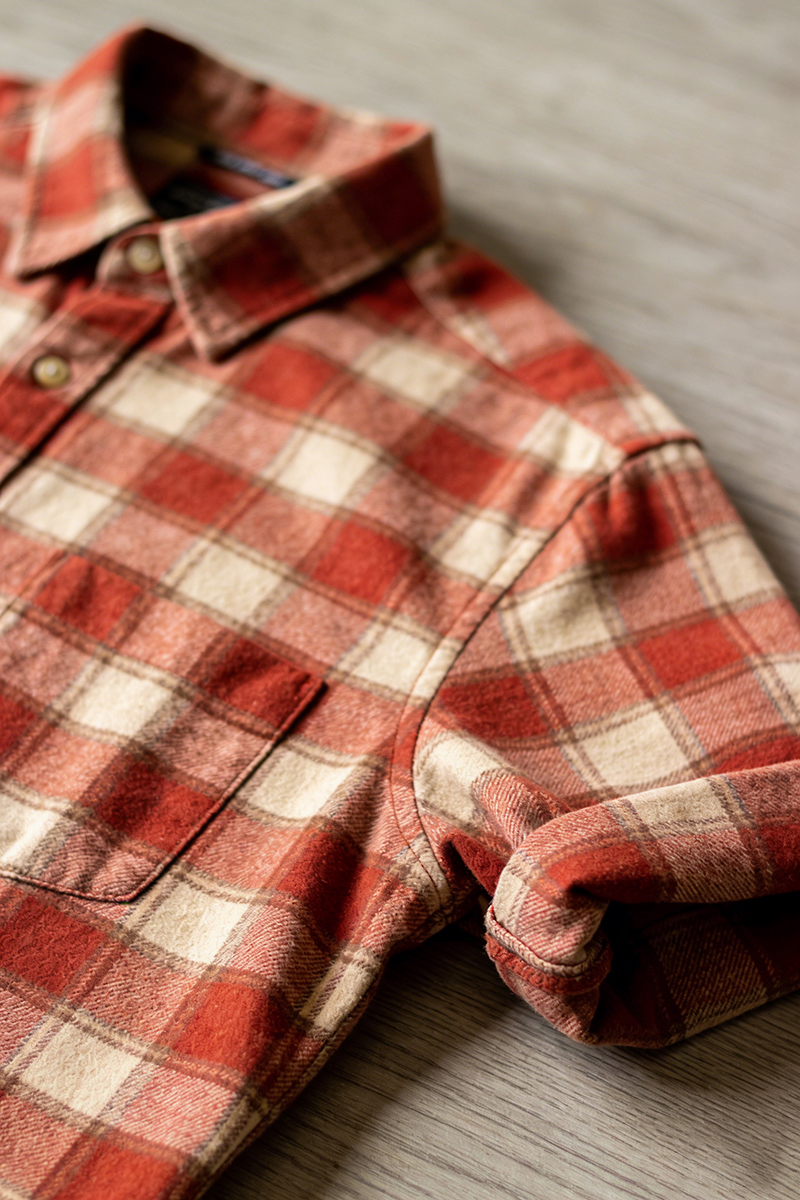
In casual settings, short sleeve flannel shirts offer an easy way to add texture and visual interest to everyday outfits. They pair well with denim, chinos, or shorts, making them suitable for relaxed social occasions.
In workwear environments, flannel shirts strike a balance between professionalism and comfort. They are often used in creative industries, light industrial settings, and service roles where employees need to look approachable while remaining comfortable.
Outdoor enthusiasts value flannel for its softness and light insulation. Short sleeve flannel shirts are frequently worn for hiking, fishing, camping, and travel, where comfort and durability are essential.
Customization and Bulk Buying Advantages
Short sleeve flannel shirts are particularly attractive for customization and bulk purchasing. Their fabric structure supports embroidery, screen printing, and woven labels without compromising comfort or durability.
For corporate uniforms, promotional apparel, or private-label retail programs, short sleeve flannel shirts offer strong branding potential. Bulk buyers benefit from consistent quality, scalable production, and predictable sizing—factors that support long-term partnerships and repeat orders.
From a conversion standpoint, these advantages make short sleeve flannel shirts an excellent investment for businesses seeking reliable, high-perceived-value apparel.
Making a Smart Investment in the Right Short Sleeve Flannel Shirt
Selecting the right short sleeve flannel shirt requires careful consideration of fabric, fit, construction, and intended use. While visual appeal may draw initial interest, long-term satisfaction depends on comfort, durability, and performance.
For individual buyers, understanding these factors ensures better value and a more enjoyable wearing experience. For retailers, brands, and wholesale buyers, choosing the right short sleeve flannel shirt can reduce returns, strengthen brand image, and support sustainable growth.
By focusing on fit, fabric quality, and thoughtful design, you can confidently invest in a short sleeve flannel shirt that meets real-world demands and delivers lasting value—making it a smart choice for both personal and commercial applications.